
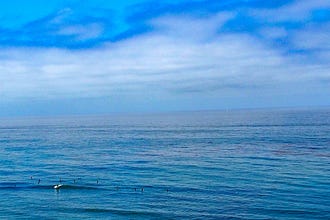
A Ramble on Voltaire
From Point Loma to Sunset Cliffs Boulevard.

I took a photowalk from Point Loma down to OB and back.
The early history of Point Loma is interesting.
Before the military and the U.S. Navy transformed it into a strategic stronghold, Point Loma served as the true front door to California history. Long before the concrete ridges and submarine pens, the peninsula evolved from a vital indigenous gathering ground into a bustling international trading hub, a whaling outpost, and even a world-famous bohemian utopian commune.
The Historic Eras of Point Loma
The Kumeyaay Outpost
Pre-1542
Long before European ships arrived, the Kumeyaay people navigated the peninsula. Because Point Loma lacked a reliable source of fresh water, they didn’t establish massive permanent villages on the ridge. Instead, it was a crucial seasonal site for fishing, harvesting abalone and shellfish, and coastal scouting. The historic La Playa Trail—which roughly mirrors modern-day Rosecrans Street—began as an ancient Kumeyaay footway connecting the bayside to inland river valleys.
European First Contact
1542
The peninsula became the birthplace of recorded European history on the U.S. West Coast when Portuguese explorer Juan Rodríguez Cabrillo, sailing under the Spanish flag, anchored his ships in the shelter of Point Loma. He stepped ashore at Ballast Point, naming the port San Miguel (later renamed San Diego by Sebastián Vizcaíno in 1602).
The Port of La Playa & Hide Tanning
Late 1700s – 1840s
During the Spanish and Mexican eras, the bayside cove of La Playa became San Diego’s official commercial port. Ships anchored in the deep, calm waters to exchange manufactured goods for California cattle hides and tallow (fat). Large oceanfront warehouses called “hide houses” lined the beach. This booming, international frontier trade was immortalized by sailor Richard Henry Dana Jr. in his classic 1840 memoir, Two Years Before the Mast, describing his months spent curing hides on the Point Loma shore.
The Whaling Boom & The New Beacon
1850s – 1880s
Following the Mexican-American War, Point Loma saw a brief but intense whaling boom. Shore-whaling companies, often staffed by Portuguese mariners from the Azores, set up stations on Ballast Point to hunt migrating gray whales just off the coast, rendering the blubber down into oil right on the beach. To aid the surge in maritime traffic, the Old Point Loma Lighthouse was constructed at the peninsula’s highest crest in 1855.
Lomaland and the Theosophists
1897 – 1942
In the late nineteenth century, while the U.S. Army was slowly developing Fort Rosecrans on the southern point, a massive cultural renaissance was happening on the western cliffs. The Theosophical Society, led by Katherine Tingley, bought up hundreds of acres to build Lomaland—a utopian community dedicated to spiritual study, progressive education, and the arts. The campus featured striking, glass-domed building architecture, lush exotic gardens, and the first Greek amphitheater in North America.
The Photowalk goes down the hill from Catalina and Voltaire to Sunset Cliffs Boulevard and back up the hill.
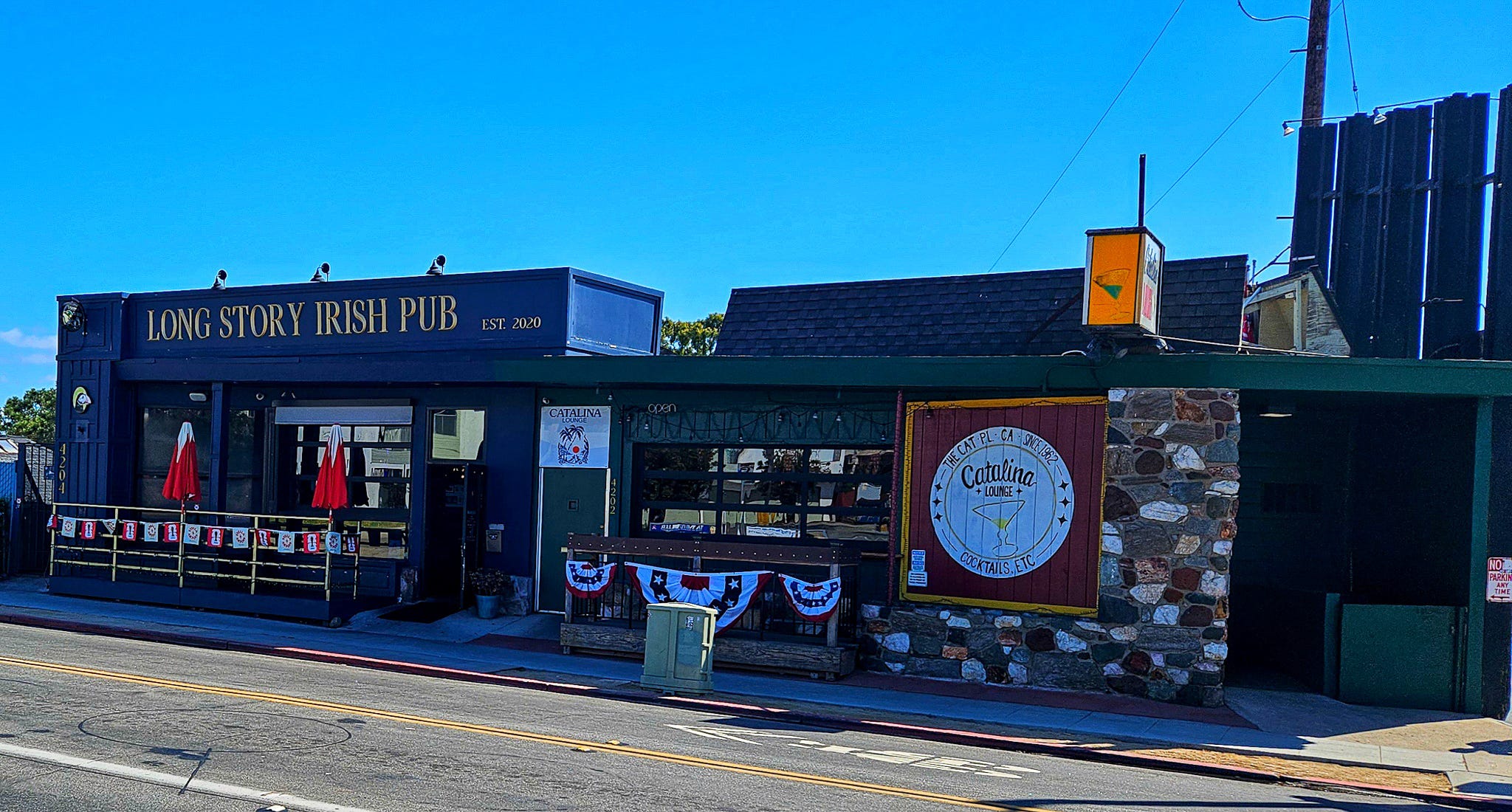
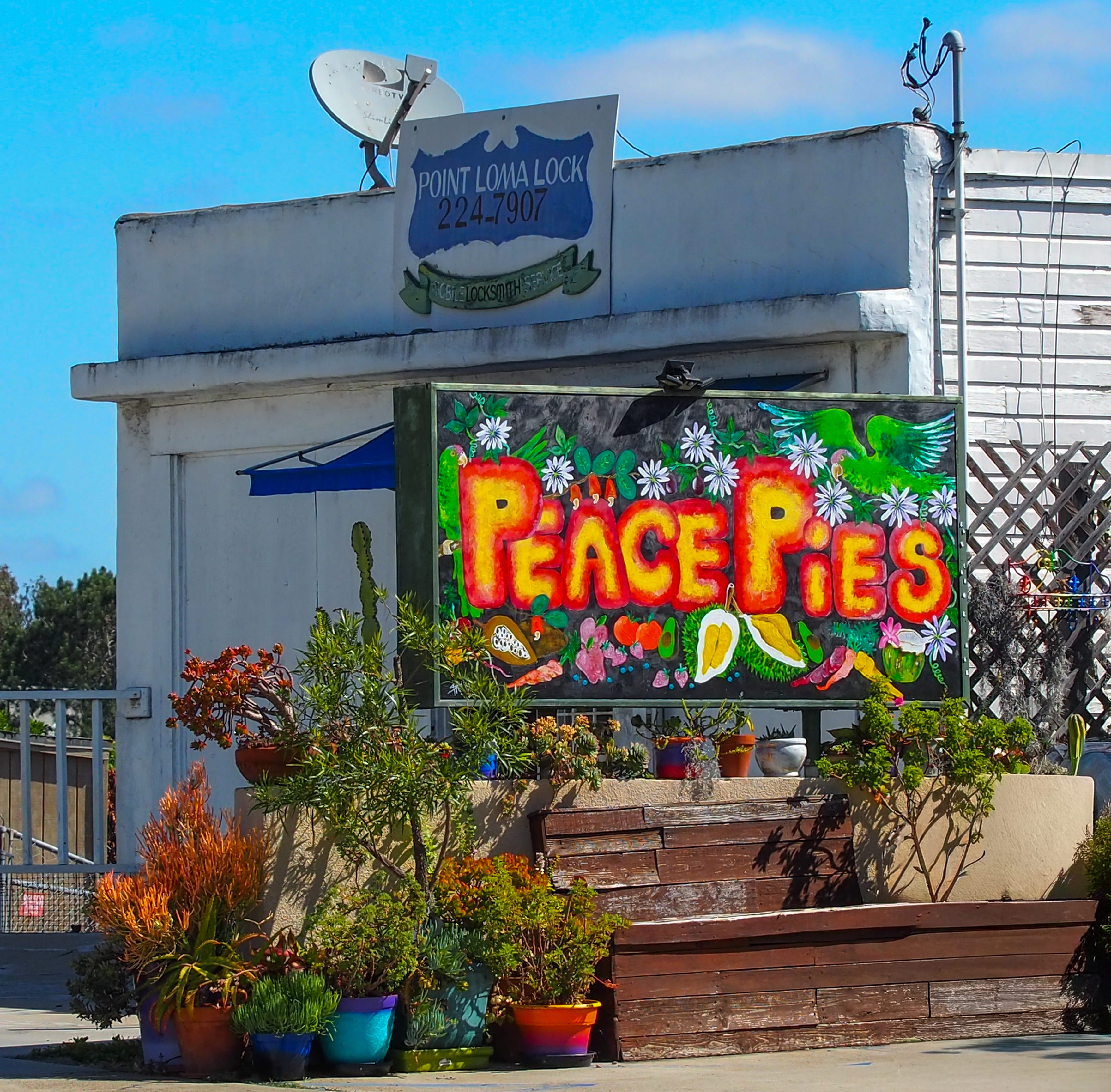
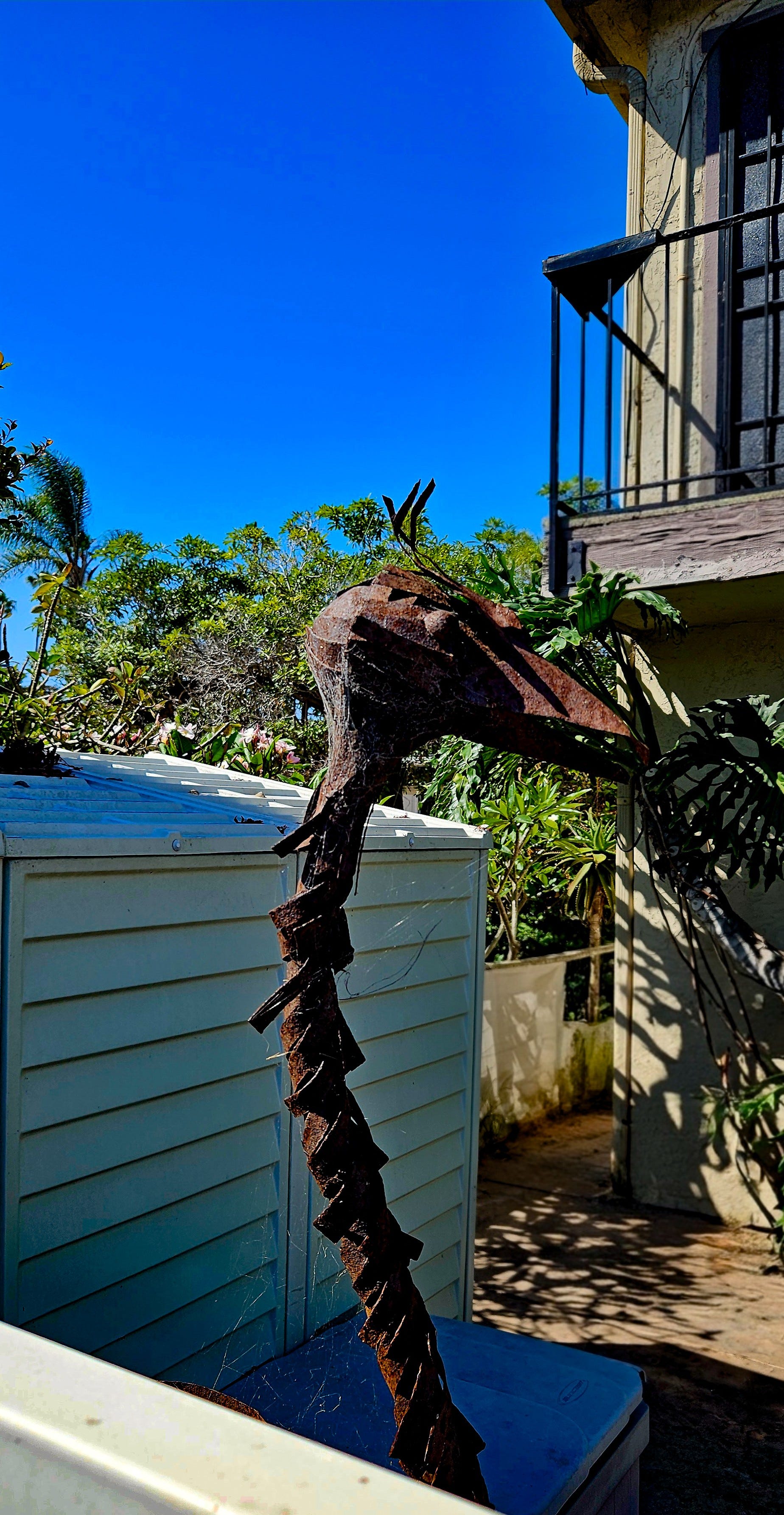

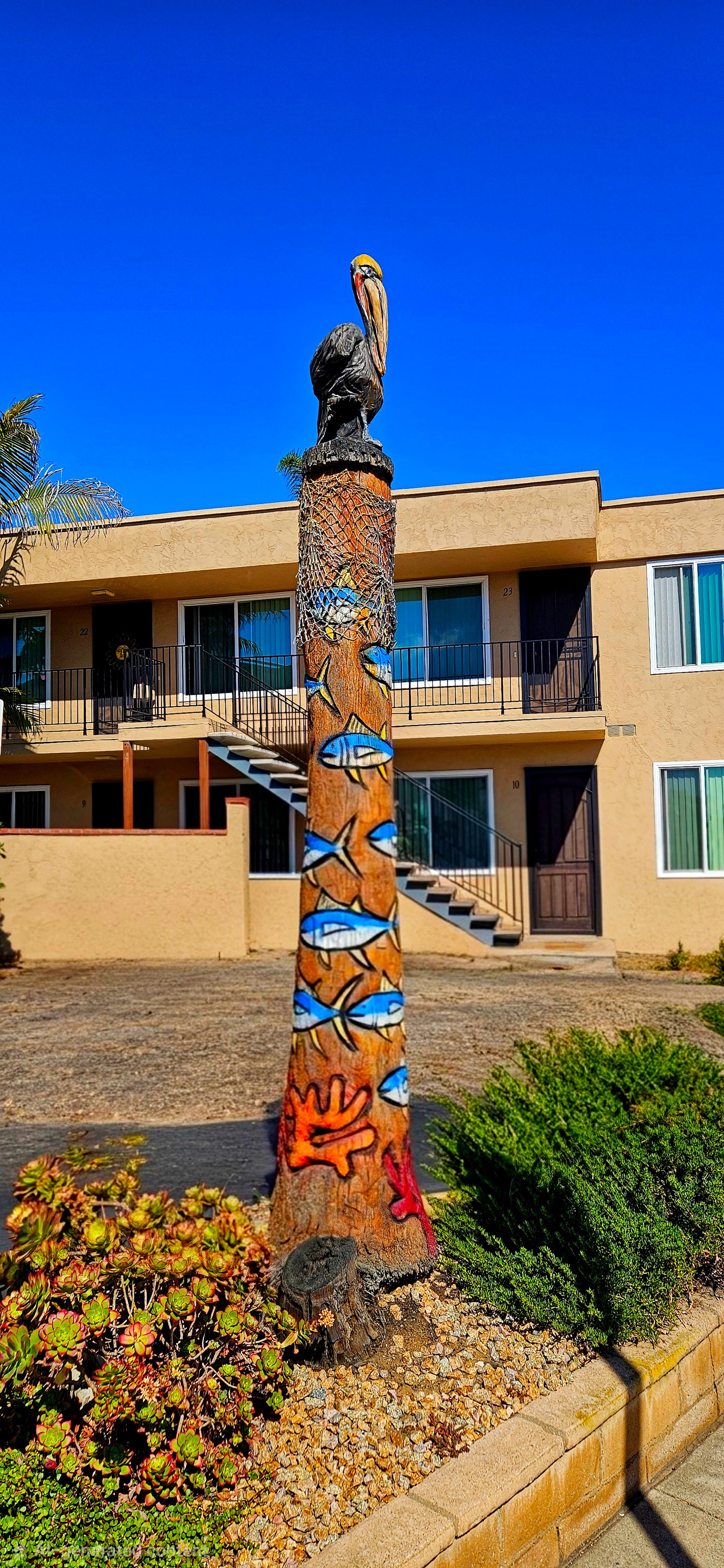
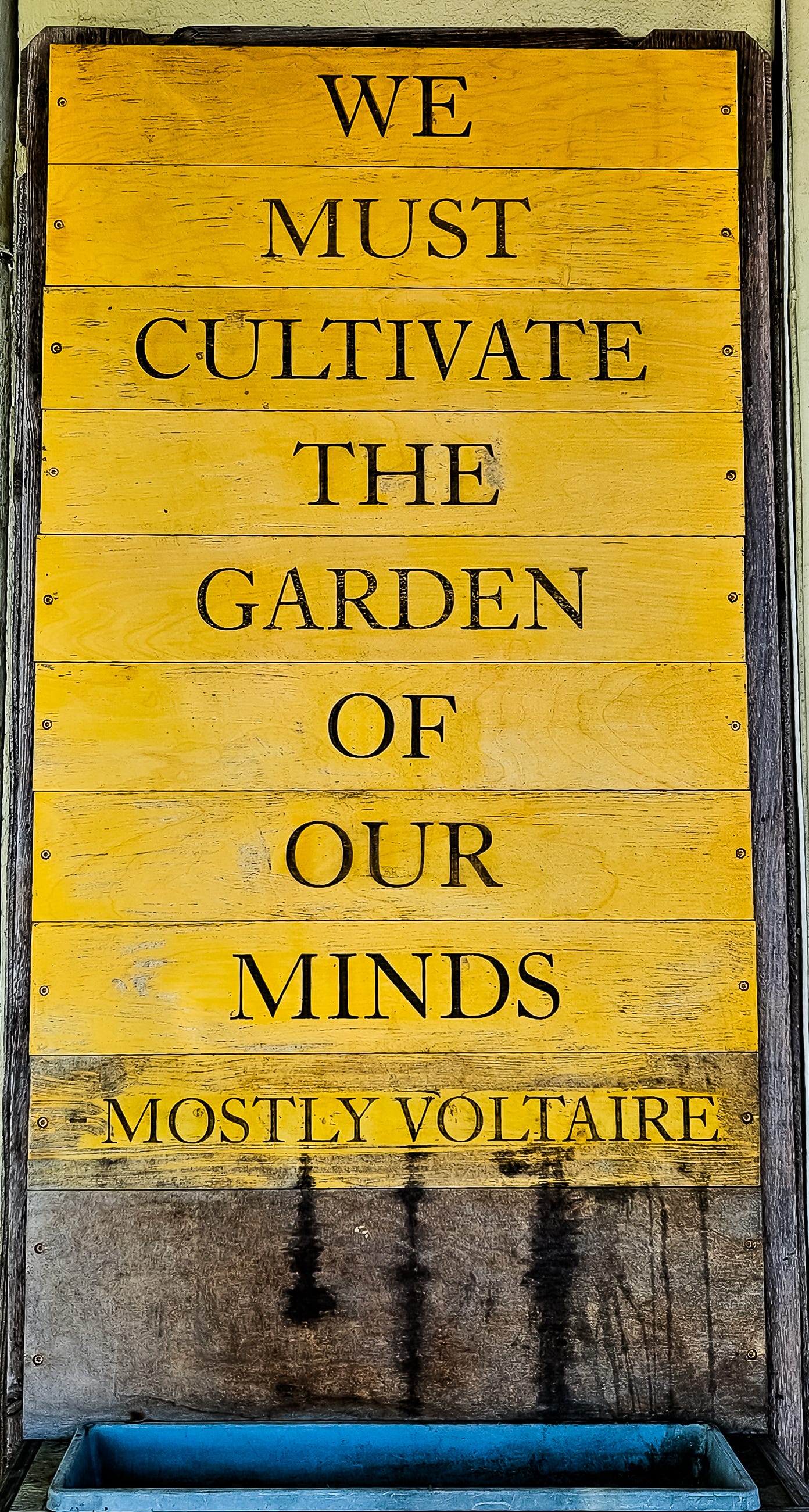
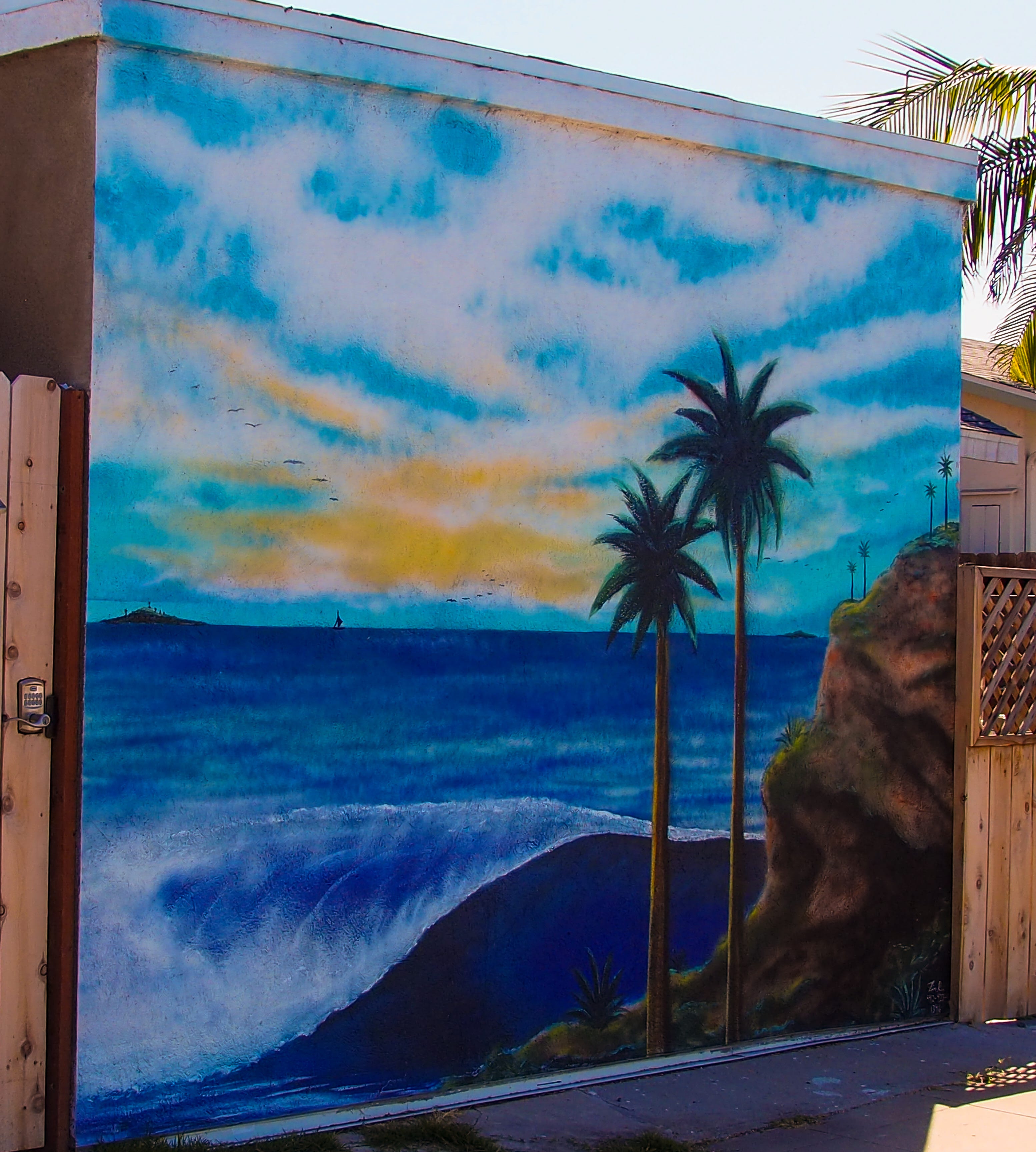



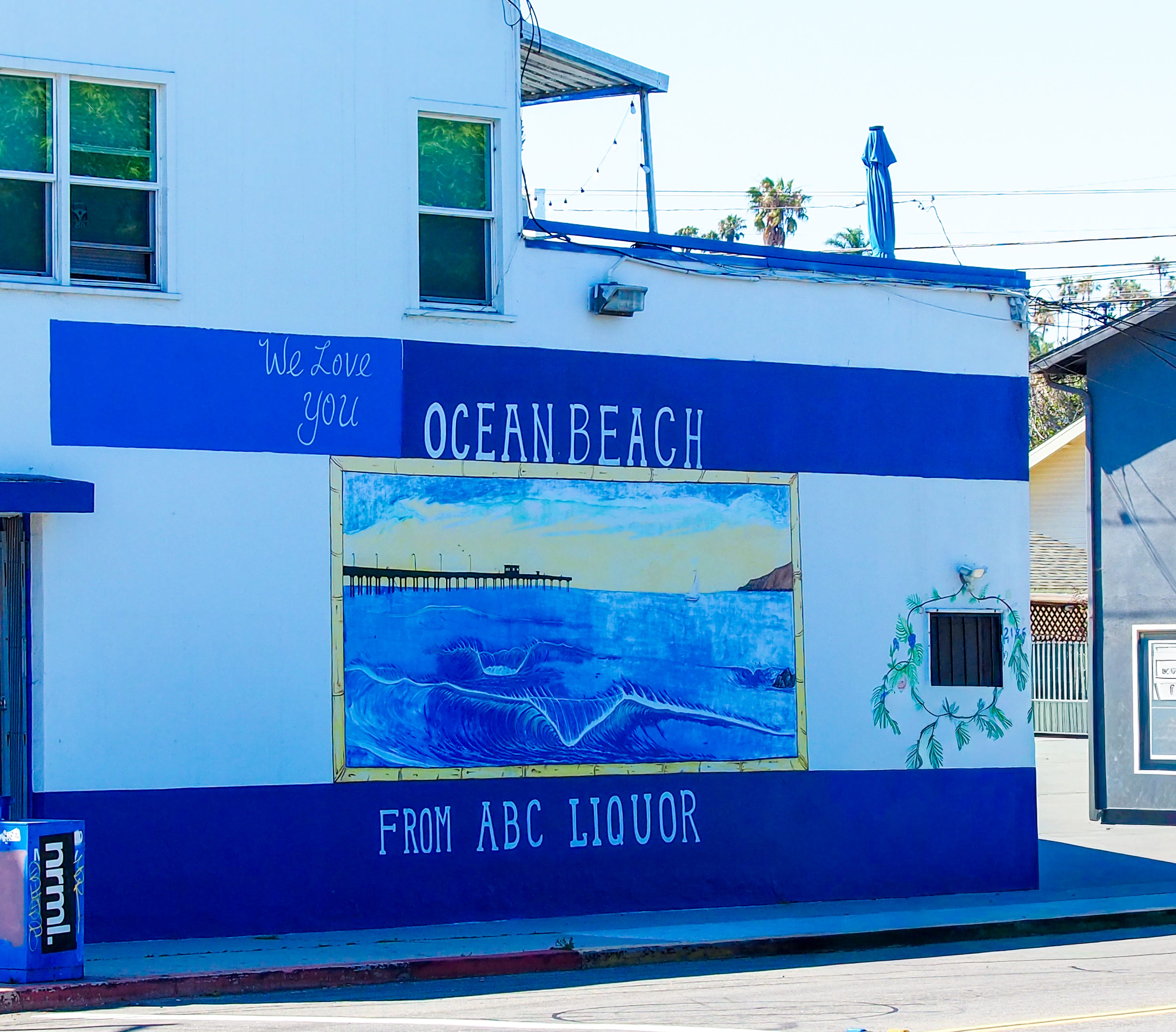
All photos by the Author.
Point Loma and Ocean Beach siblings on the Peninsual.
Jon Pinter
Sure love the boys cleaning E15
Interesting for sure.